Second in Line, First to Be Ready: What Understudies Know That Stars Don't
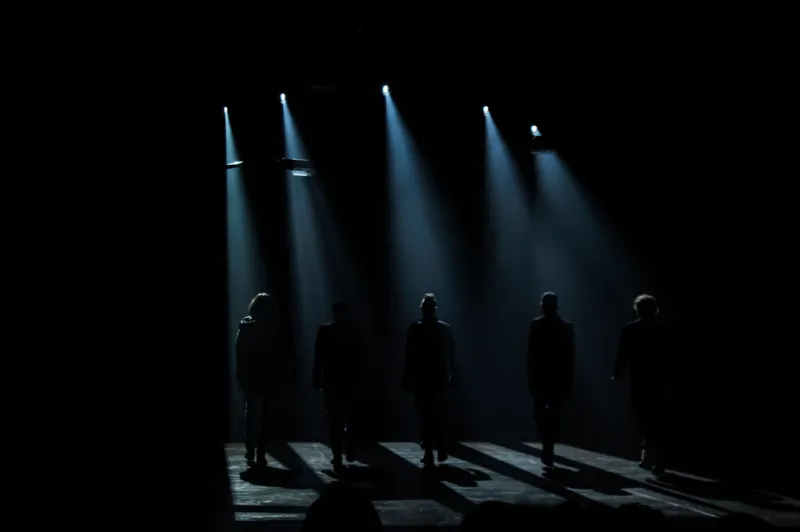
Let me tell you about a specific kind of exhaustion. It's not the tired you feel after a long rehearsal or a late-night shoot. It's the tired that comes from preparing completely for something you might never get to do. Memorizing every line, every blocking note, every emotional beat — and then sitting in the wings while someone else takes the bow.
That's the understudy experience. And most people, when they hear the word, picture a consolation prize. A backup plan. The person who almost made it.
They're wrong.
The Pressure That Builds Something Real
Here's what actually happens when you spend months as an understudy: you develop a relationship with the material that leads rarely experience. When you're the star, the role is yours from day one. You grow into it organically, at your own pace, with the full support of the production around you. That's great. That's also a little bit of a cushion.
When you're covering someone? You have to be ready now. On any given night. Without a warmup period, without the luxury of easing into it, without anyone holding your hand through the transition. The stage manager calls your name and you walk out there — full performance, full commitment — in front of a house that came to see somebody else.
That kind of pressure doesn't break you if you've prepared right. It reveals you.
The technical precision that understudies develop is genuinely different from what leads accumulate. You're not just learning the role — you're learning it from the outside, watching someone else inhabit it night after night, studying the choices they make and quietly deciding which ones you'd keep and which ones you'd change. You become a student of the performance in a way that most leads never have to be.
When the Call Comes
Broadway history is full of stories like this. Jennifer Holliday stepping into Dreamgirls and delivering a performance so visceral it became the defining moment of the show. Sutton Foster getting the call for Thoroughly Modern Millie just days before opening after the original lead departed — and going on to win the Tony. These aren't flukes. They're the natural result of people who were already living inside a state of radical readiness.
What made those moments possible wasn't talent alone. It was the specific mental muscle that understudies build: the ability to perform under conditions that haven't been rehearsed, to adapt when the environment shifts, to stay present when everything around you is slightly off-script.
That muscle? It transfers.
Beyond the Theater
If you're not in theater, you might be thinking this doesn't apply to you. But I'd push back on that pretty hard.
Every creative field has its version of the understudy position. It's the session musician who knows twenty songs for a gig they might get bumped from. It's the staff writer who pitches twelve ideas so one gets greenlit. It's the content creator who spends six months building skills on a platform with zero audience, trusting that the work is doing something even when the numbers say otherwise.
The understudy mentality is really just a commitment to preparation that isn't contingent on guaranteed reward. And in entertainment — where the guaranteed reward is almost never guaranteed — that mentality is arguably the most practical one you can have.
I've talked to performers who spent years covering roles before getting their shot, and almost every single one of them says the same thing: when the opportunity finally came, they weren't nervous. They were ready. The nervousness had already been metabolized. The preparation had already been done. They just had to show up and do the thing they'd already done a thousand times in their head.
The Visibility Problem (And Why It's Not Actually a Problem)
Here's the part that's genuinely hard about being an understudy: nobody claps for the preparation. You don't get a curtain call for learning the role. You don't get press coverage for sitting in the wings and being ready. The work is invisible right up until the moment it isn't.
And I think that invisibility, as uncomfortable as it is, teaches something that's hard to learn any other way. It teaches you to find your motivation internally. To care about the craft for the craft's sake, not for the reception. To build a relationship with your own work that doesn't depend on external validation to feel real.
Leads who've never had to prove themselves in a crisis — who've never had to walk out cold and deliver — sometimes have a fragility that understudies don't. Not because they're weaker people, but because they've never been stress-tested in the same way. The understudy has already survived the worst-case scenario. They know they can handle it.
That knowledge changes how you carry yourself in a room. It changes how you pitch. It changes how you respond when a project pivots at the last minute or a collaborator drops out or a venue falls through. You've been here before. Maybe not this exact version of chaos, but something like it. And you got through.
What to Do With This
If you're in an understudy position right now — in theater, in your career, in your creative life — I want to offer you a reframe. You're not waiting to be chosen. You're in active training for a moment that's going to require everything you've been quietly building.
Keep the log of what you're learning. Pay attention to the choices the person in front of you is making and develop your own opinions about them. Stay curious about the material even when the material isn't yours yet. And when the call comes — and it will come — trust the work you've already done.
The stars get the opening night. The understudies get something harder to name and harder to take away: the deep certainty that comes from having been ready when nobody was watching.
That's not second place. That's a completely different kind of first.