Stop Chasing Followers and Start Earning Fans: The Real Currency of a Creative Career
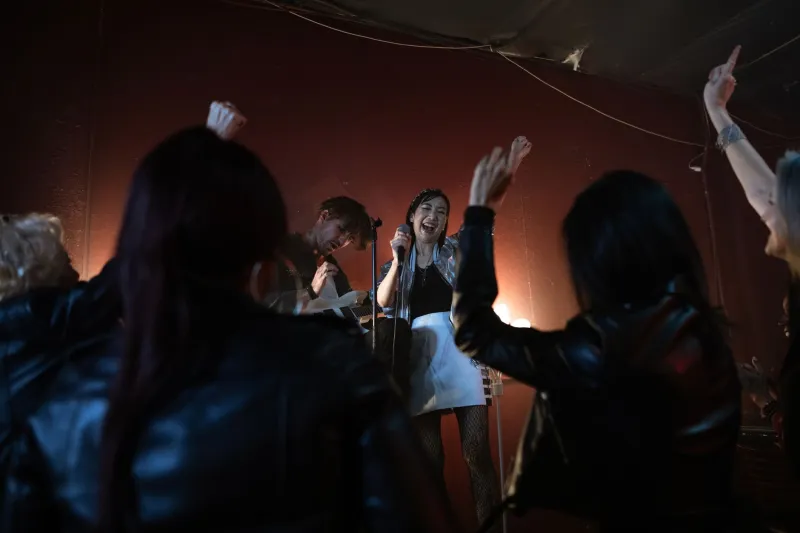
I want to tell you about two musicians I know. Both are talented. Both have been grinding for years. One has 200,000 Instagram followers, a verified checkmark, and a feed that looks like it was art-directed by a team of twelve. The other has maybe 4,000 followers, posts inconsistently, and sometimes shares voice memos of half-finished songs at midnight.
Guess which one is selling out small venues and actually making a living from their art?
Yeah. It's the second one.
This isn't a fluke. And it's not magic. It's the difference between being seen and being known — and once you understand that gap, you can't unsee it.
The Visibility Trap
Somewhere along the way, the creative world got infected with a very specific kind of ambition. Reach became the goal. Impressions became the metric. We started measuring the health of our careers in follower counts and view tallies, and somewhere in that process, we forgot to ask whether any of those people actually cared.
Visibility is seductive because it's measurable. You can watch the number go up. You can optimize for it. You can A/B test your thumbnail and tweak your posting time and chase the algorithm until you're basically working a second job just to stay in the feed.
But visibility without connection is just noise. And the internet is already drowning in noise.
The psychological pull here is real — researchers have documented how social validation (likes, shares, follower spikes) triggers the same dopamine response as other reward-seeking behaviors. We're literally wired to chase the number. Which means stepping off that treadmill takes conscious, deliberate effort.
What "Being Known" Actually Feels Like
Being known is quieter. It doesn't spike. It accumulates.
It's the person who emails you after a show and says, "That story you told about your mom — I've never heard anyone describe that feeling out loud before." It's the podcast listener who has recommended your work to every single friend going through a divorce because something you said six months ago helped them survive theirs. It's the reader who shows up for everything you make, not because the algorithm served it to them, but because they went looking.
Those people aren't followers. They're fans in the truest, oldest sense of the word — from fanatic, meaning someone who is genuinely devoted. And they are worth ten thousand passive scrollers every single time.
The creator economy is slowly waking up to this. You see it in the rise of Substack newsletters with tiny but fiercely loyal readerships that out-earn massive social accounts. You see it in stand-up comedians who skip the late-night circuit entirely and build direct relationships with audiences through touring and Patreon. You see it in authors who have never gone viral a day in their lives but have printed twelve editions of the same book because word-of-mouth never stopped.
The Pivot That Changes Everything
So what does it actually look like to shift from a visibility-first strategy to an authenticity-first one?
It starts with a pretty uncomfortable audit. You have to ask yourself: Am I making things I believe in, or am I making things I think will perform? Those two questions can look the same from the outside, but they feel completely different on the inside — and your audience can tell the difference even when you think they can't.
I went through my own version of this a few years back. I was leaning hard into content formats that were trending, saying yes to opportunities that looked good on paper, and quietly starting to feel like a stranger in my own work. The numbers were fine. My soul was not.
The pivot wasn't dramatic. I didn't delete everything and start over. I just started making decisions from a different question: Would I be proud of this if nobody shared it? That one reframe changed almost everything — what I made, how I talked about it, who showed up for it.
The Practical Side of Going Deeper
Here's what I've seen work, both for myself and for other creators who've made this shift:
Get specific. Broad appeal is a myth for independent creators. The more specifically you speak to a particular experience, emotion, or community, the more powerfully people within that group will feel it. "Women in their 40s navigating creative reinvention" is not a niche — it's a community. Speak to them directly.
Let your process show. Audiences don't just want the polished final product. They want to understand how your mind works, what you care about, why you made the choices you made. Sharing that builds the kind of intimacy that visibility alone never can.
Choose depth over frequency. One piece of work that genuinely moves people will do more for your career than thirty pieces of content that get decent engagement. This runs completely counter to most platform advice, but it's true.
Respond like a human. When someone reaches out to tell you something you made mattered to them, respond. Not with a canned thank-you, but with something real. Those micro-moments of genuine connection compound over time into something extraordinary.
The Long Game
Here's the honest truth: authenticity-first creative work is slower. You won't go viral. You probably won't hit whatever follower milestone you've been eyeing. The growth curve looks less like a rocket ship and more like a garden — gradual, organic, and deeply rooted.
But gardens last. Rocket ships run out of fuel.
The creators I most admire — the ones with genuinely sustainable careers, the ones who still seem lit up by what they do after decades in the game — aren't the most visible. They're the most trusted. They built something real with real people, and that foundation doesn't crumble when the algorithm changes or the trend cycle moves on.
You can have that too. But you have to be willing to stop performing for the numbers and start showing up for the people.
That's the whole thing, really. That's the whole secret.